Fill a quiet night with people who came for the food
We bring fifteen ticketed guests from our cookbook community into your restaurant on a night that is already quiet. Your team teaches one dish. Guests handle the agreed hands-on steps at dining-room tables, while your staff retain control of the kitchen, heat, and final cooking.
Tammy and Mady are there too, hosting the evening and working alongside the group.
The restaurant does not pay Sauté Sundays a venue or marketing fee. Guests buy tickets through us. After actual ticketing and payment-processing fees, Sauté Sundays keeps a flat $45 for printing and administration, and the remaining ticket proceeds go to the restaurant.
All bar revenue and tips stay with you.
15 ticketed guests + Tammy and Mady = 17 food portions at full capacity.
Start a conversation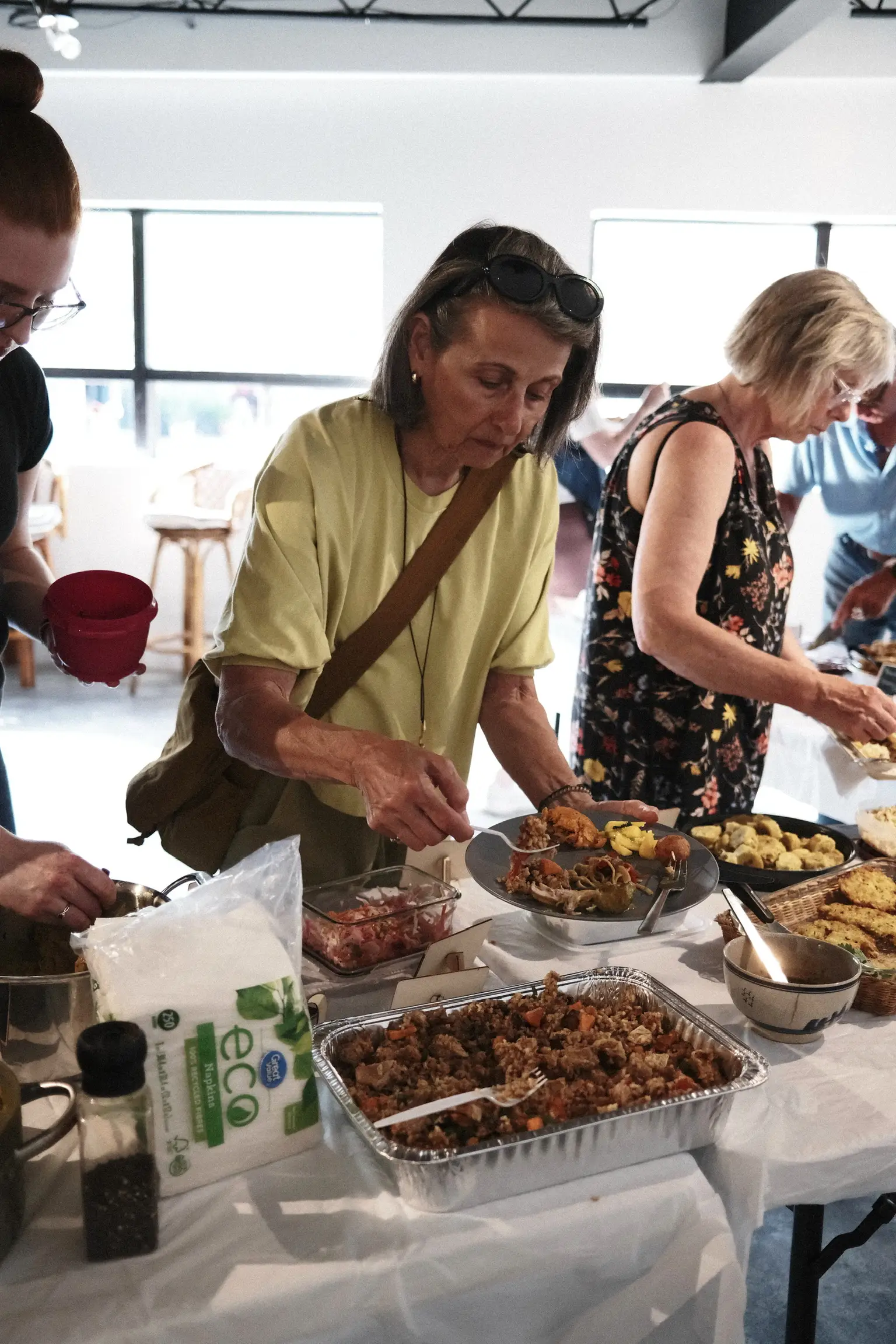
Who we'd bring
- Cookbook-club events sold out
- 14/14
- Every event sold out within three days
- 3 days
- Unique members have attended at least twice
- 67
- Median open rate across seven recent editorial newsletters
- 64%
These figures come from our free monthly cookbook club. At Jrew's, we now release 35 member places each month.
Our latest editorial newsletter went to 435 people and recorded a 63% open rate and a 5% click rate. Early-access ticket emails are excluded from the newsletter benchmark.
The results show that we can build, communicate with, and host an engaged food community. The paid restaurant workshop is a newer format, so we use a controlled first-night pilot and a sales checkpoint before the restaurant commits its full food and staffing costs.
A controlled first night
A restaurant's first workshop with us is treated as a pilot. Before tickets go live, we agree on the ticket price, the minimum number of paid guests, and the minimum total payment the restaurant needs for the night to proceed.
Fourteen days before the event, we compare actual paid sales with that minimum. The restaurant can proceed, move the workshop to another date, or release the night if the agreed threshold has not been reached.
Two ways to build the workshop
Technique workshop
One focused dish or technique. Guests make the hands-on component, eat what they make, and may leave with a take-home element.
This is the shorter, lighter format and works well for dumplings, patties, pasta shapes, breads, sauces, shaping, folding, and finishing techniques.
Workshop with a meal
The restaurant teaches one dish, then serves it with an additional plate, side, or course.
This suits a technique that is interesting to learn but would not make a complete evening on its own. It needs more kitchen and service time, so the ticket price is normally higher.
The restaurant decides what guests are allowed to handle. For a first workshop, we favour table work such as shaping, folding, mixing, assembling, or finishing. Raw-protein handling and heat remain with restaurant staff unless the specific activity has been approved before tickets go live.
Guest-supplied fillings or ingredients are offered only as a separately agreed ticket option, with written rules for ingredients, allergens, transport, storage, check-in, sharing, and what happens when an item cannot be accepted.
How the night runs
A typical workshop takes about three hours. The exact timing depends on the dish.
- Set-up
- Tammy and Mady arrive early, set out name tags and approved recipe or technique cards, check the three table stations, and review the evening with the restaurant.
- Guest arrival
- We check everyone in. Drinks are ordered and paid for directly through the restaurant.
- Introduction and demonstration
- The restaurant introduces the dish, the technique, and the people behind it. The demonstration normally takes 15 to 20 minutes.
- Hands-on workshop
- Guests work in three small groups at dining-room tables. The restaurant teaches the food; Sauté Sundays manages timing, questions, and guest flow.
- Cooking and eating
- Restaurant staff finish anything that requires the kitchen, oven, pass, or heat. Guests then sit down to the agreed food.
- Close
- Guests leave with any agreed recipe, technique notes, or take-home component. The restaurant and Sauté Sundays complete the cleanup responsibilities agreed before the event.
Most attendees are confident, curious home cooks who voluntarily cook from a cookbook each month. The workshop is designed for people who are comfortable following a recipe, rather than complete beginners learning basic knife grip.
Everyone is such a good cook 🥰
What each side brings
The restaurant
- A quiet date and the agreed use of the dining room
- A lead cook, chef, or owner who can teach the dish
- Ingredient ordering, weighing, portioning, and advance food preparation
- Restaurant staff for the kitchen or pass, heat, bar, service, dishwashing, sanitation, and room reset as required
- Three table workstations and the agreed equipment
- Ingredient, allergen, storage, cooking, and take-home instructions
- Confirmation that the proposed activity works for the premises, insurer, and food-safety setup before tickets go live
Sauté Sundays
- Fifteen ticketed guests drawn first from our community
- Promotion through the agreed newsletter, Instagram, WhatsApp, event listing, and recap
- Ticketing, payment collection, attendee communication, and check-in
- A sales checkpoint fourteen days before the event
- Final paid headcount and dietary information ten days before the event
- Name tags and restaurant-approved recipe or technique cards
- Tammy and Mady on site to host, manage timing, and support the groups
- Five to ten selected documentary photographs, plus final ticket and attendance numbers after the event
Setup, dishwashing, waste, table sanitation, room reset, breakage, and closing responsibilities are recorded before the event so neither side discovers them on the night.
How the money works
The restaurant does not pay Sauté Sundays a venue or marketing fee.
We propose a public ticket price and show you what the restaurant payment looks like at the minimum sales threshold and at full capacity. Before tickets go live, you approve both the ticket price and the minimum total payment at which you are willing to run the night.
Actual ticketing and payment-processing fees are deducted first. Sauté Sundays keeps a flat $45 for printing and administration. The remaining proceeds go to the restaurant.
All bar revenue and tips stay with the restaurant.
| Working ticket price | 12 paid guests / 14 food portions | 15 paid guests / 17 food portions |
|---|---|---|
| $40 CAD | Approximately $393 to the restaurant | Approximately $503 to the restaurant |
| $50 CAD | Approximately $504 to the restaurant | Approximately $641 to the restaurant |
These figures are examples. The final restaurant payment is calculated from the actual event transaction report after refunds, chargebacks, platform fees, processing fees, and the flat $45 Sauté Sundays amount. Applicable tax treatment is agreed in writing before tickets go live.
The sales checkpoint
A standard starting point is twelve paid tickets, reviewed fourteen days before the event. The restaurant also approves a minimum total payment for the selected workshop.
If either minimum has not been reached, the restaurant can choose to proceed, move the workshop to another date, or release the night. Sauté Sundays does not automatically cover a shortfall.
Once the event is proceeding, our standard payment schedule is 50% of the projected restaurant payment ten days before, based on paid and non-refunded tickets at that point, and the remaining balance within one business day afterwards, calculated from paid and non-refunded tickets and the actual transaction fees.
A ticket-holder no-show after the event's refund deadline does not reduce the restaurant payment.
From interest to the night
- 6 to 8 weeks before
- We visit the space and agree on the dish, guest tasks, format, working ticket price, date, and preliminary staffing.
- 5 to 6 weeks before
- Both sides approve the Restaurant Night Confirmation and Terms. Insurance and food-safety requirements are confirmed.
- 4 weeks before
- Tickets go live after the pre-launch conditions are complete.
- 14 days before
- We review paid sales against the agreed minimum ticket number and minimum restaurant payout.
- 10 days before
- We send the final paid headcount and dietary information. The first restaurant payment is made according to the agreement.
- 3 to 5 days before
- We confirm the final event checklist: preparation, stations, equipment, staff, service, take-home items, cleanup, and emergency contacts.
- Event day
- The workshop takes place. The final restaurant payment follows the agreed schedule.
- Within 7 days afterwards
- We send selected photographs, final ticket and attendance figures, and the agreed follow-up coverage.
Before tickets go live
- Economics
- We agree on the ticket price, capacity, minimum paid-ticket number, minimum restaurant payout, tax treatment, and payment schedule.
- Food safety
- We agree on the exact guest tasks, handwashing, sanitation, ingredient handling, temperature control, take-home food, and use of the dining room. The setup is confirmed with Toronto Public Health where needed.
- Insurance
- The restaurant confirms the proposed activity with its insurer or broker. If the format requires separate event insurance, organizer coverage, a waiver, or additional-insured status, we agree in writing who arranges it and who pays before tickets are released.
- Allergies and dietary requirements
- Sauté Sundays collects dietary and allergy information during registration. The restaurant confirms which requests it can safely accommodate and provides the ingredient and cross-contact information used in guest communication. We do not describe the workshop as allergen-free unless the restaurant expressly offers that environment.
- Recipe and restaurant brand
- The restaurant chooses whether guests receive a full recipe, a simplified home version, technique notes, or no recipe. It approves the dish name, wording, logo, ingredient information, and any proprietary method before publication or printing.
- Room and labour
- We agree on staff, advance preparation, equipment, table layout, kitchen and pass support, bar operation, dishwashing, sanitation, cleanup, breakage, room reset, and whether the restaurant remains open to walk-ins.
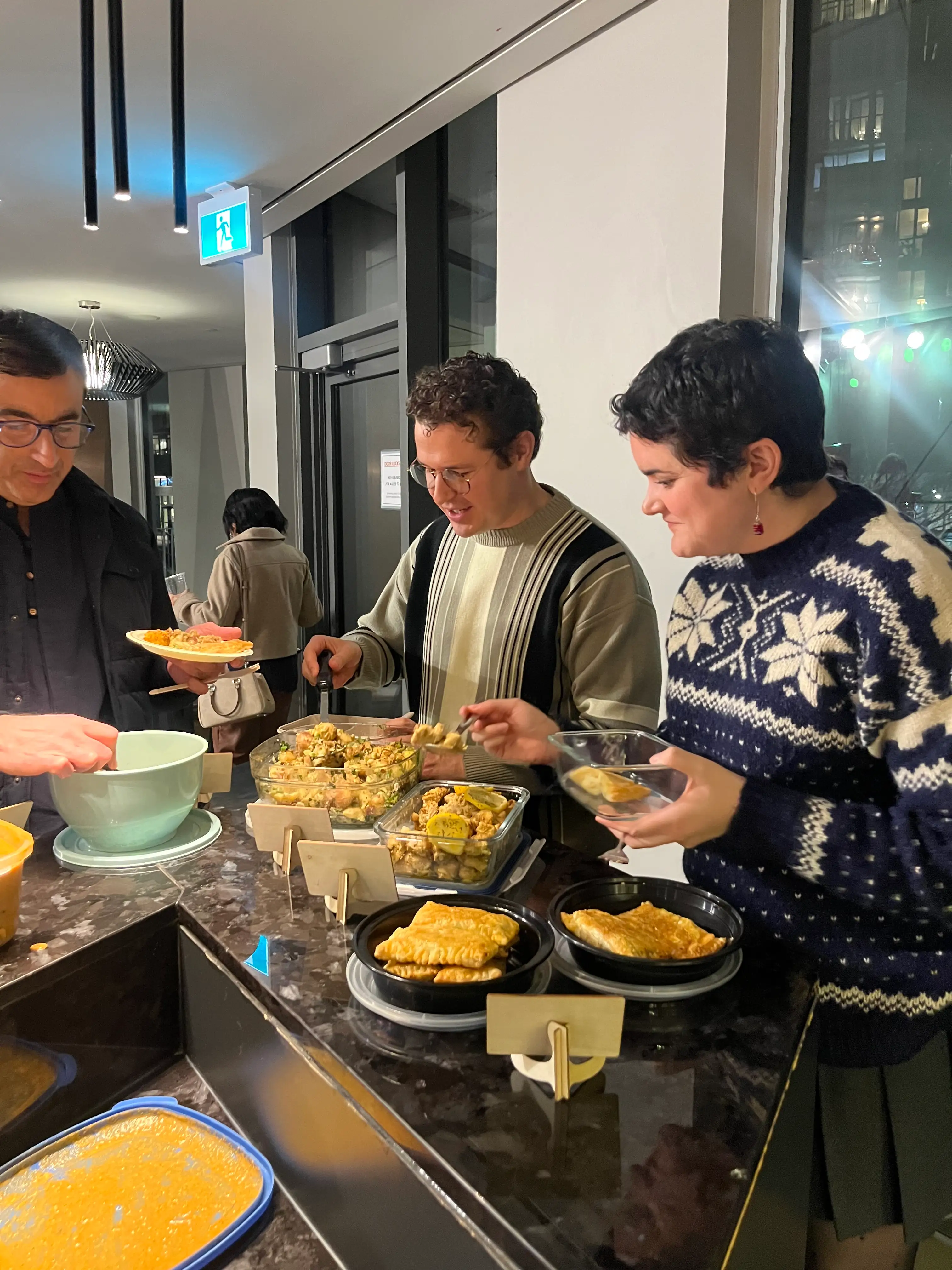
Thanks to Tammy et al for organizing a great event. The time flew by, and the food and company were stellar.
Promotion and follow-up
The exact plan is confirmed for each workshop. A typical collaboration includes:
- One announcement in the Sauté Sundays editorial newsletter
- A ticket page naming the restaurant and dish
- One Instagram feed or collaborative post
- Launch, reminder, and event-night Instagram stories
- One announcement in the Sauté Sundays WhatsApp community
- A post-event website or newsletter recap naming the restaurant
- Five to ten selected documentary photographs delivered within seven days
- Final paid-ticket and attendance figures
- An optional anonymous guest-feedback summary when agreed in advance
Member posts, recommendations, bar spending, sales, and repeat visits can happen naturally around the event. The Restaurant Night Confirmation lists the promotional placements Sauté Sundays commits to delivering.
Questions restaurants ask
Have you run this format before?+
Restaurant Nights is a new paid format. Our fourteen sold-out cookbook-club events show that we can build, communicate with, and host the community. For each restaurant's first workshop, we use a small pilot, a minimum-sales checkpoint, and a written agreement before tickets go live.
What kind of night should we offer you?+
A night that is already quiet for the restaurant. We visit the room, discuss what your kitchen could teach, and build the workshop around the dish, space, staffing, and service you already have.
How many people, exactly?+
Fifteen ticketed guests. Tammy and Mady attend as hosts, so the restaurant prepares seventeen food portions at full capacity. We will not increase the guest capacity without the restaurant's written approval.
Does anyone enter the kitchen?+
The default is no. Guests work at dining-room tables. Restaurant staff control the kitchen, pass, oven, heat, and final cooking. Any guest kitchen access or additional task must be specifically approved in the event agreement, food-safety plan, and insurance confirmation.
Does it have to be a full meal?+
No. A technique workshop focuses on one dish or skill. A workshop with a meal adds a side, plate, or course when the taught dish would not make a complete evening on its own. The format and ticket price are built around the food and labour each version requires.
What if the owner is the one teaching?+
That can work well. The restaurant should include the owner's preparation, teaching, service, and closing time when deciding the minimum payment it needs for the night. We also agree in advance whether the restaurant can remain open to regular customers during the workshop.
What if ticket sales are slow?+
Fourteen days before the event, we compare paid sales with the agreed minimum ticket number and minimum restaurant payment. If either minimum has not been reached, the restaurant can choose to proceed, reschedule, or release the date.
When do we get paid?+
Our standard arrangement is 50% of the projected restaurant payment ten days before the event, followed by the remaining balance within one business day afterwards. The final amount is based on paid and non-refunded tickets and the actual transaction fees. A different schedule can be recorded in the event-specific agreement.
What if ticket holders cancel or do not attend?+
Each event has a written refund and transfer policy on the ticket page. The restaurant payment is calculated from paid, non-refunded tickets. A no-show after the refund deadline does not reduce the restaurant payment.
What about the bar?+
Guests order and pay for drinks directly through the restaurant. The restaurant keeps all bar revenue and tips. Drinks are not included in the ticket unless we agree otherwise, and Sauté Sundays does not promise a minimum beverage spend.
How are insurance, food safety, and licensing handled?+
Before tickets go live, the restaurant confirms the specific workshop activity with its insurer or broker. We also agree on the food-safety setup and contact Toronto Public Health where needed. The restaurant retains control of its premises, kitchen, food handling, alcohol service, staff, and licences. Any additional insurance cost or requirement is agreed before the event is launched.
How are allergies and dietary requirements handled?+
We collect the information during registration and send the final list to the restaurant ten days before the event. The restaurant confirms which requests it can safely accommodate. Guests remain responsible for providing complete information, and the event is not described as allergen-free unless the restaurant expressly confirms that.
Can guests bring their own filling or ingredient?+
Only when the restaurant wants that format and the food-safety and insurance review supports it. The ticket page must state exactly what may be brought, how it should be prepared, labelled, transported, and checked at arrival, whether it may be shared, and what happens when an item cannot be accepted.
Are these experienced cooks?+
Most are confident, curious home cooks who voluntarily cook from a cookbook each month. The workshops are designed for people who are comfortable following a recipe. We still choose the guest tasks carefully and do not assume professional kitchen experience.
Who controls the recipe or take-home instructions?+
The restaurant does. It chooses whether guests receive a full recipe, a simplified home version, technique notes, or no recipe. The restaurant approves the final dish name, recipe wording, dietary information, and logo use before anything is printed or published.
What does Sauté Sundays keep?+
We keep a flat $45 per workshop for printing and administration. Actual platform and payment-processing fees are deducted separately. The remaining ticket proceeds go to the restaurant.
How far ahead do we need to decide?+
Six to eight weeks is the usual lead time. That gives us time to visit the room, agree the economics and format, complete the insurance and food-safety checks, approve the ticket copy, and promote the event properly.
The next step is half an hour in your room
We look at the space, discuss what you would want to teach, and build a simple projection for the minimum and full night.
We will also identify the guest tasks, restaurant staffing, equipment, food-safety setup, and any insurance questions that need to be resolved.
If the economics, workload, or format do not make sense, we will say so before either side commits.
We reply within two days.
Form not loading? Open it in a new tab ↗or email hello@sautesundays.com.
This page describes our standard Restaurant Night model. A workshop is confirmed only when both sides approve the event-specific Restaurant Night Confirmation and Terms and the required pre-launch checks are complete.
Not a restaurant? We work with brands too →